
The casting processes for copper castings mainly include sand casting, metal mold casting, centrifugal casting, and investment casting. Different processes are suitable for casting copper parts of different sizes, accuracies, and batches. The selection of processes should consider the melting characteristics and solidification behavior of copper alloys.
Sand casting is a widely used process for casting copper parts. Copper alloys have a high melting point (generally between 900 ℃ and 1100 ℃) and good fluidity, but some copper alloys (such as aluminum bronze) are prone to oxidation and form oxide films during the melting process. When sand casting, the molding material is usually silicon sand or chromite sand, combined with suitable binders. The pouring system needs to be designed as an open type to reduce the turbulence of the molten metal and the entry of oxide inclusions into the mold cavity.
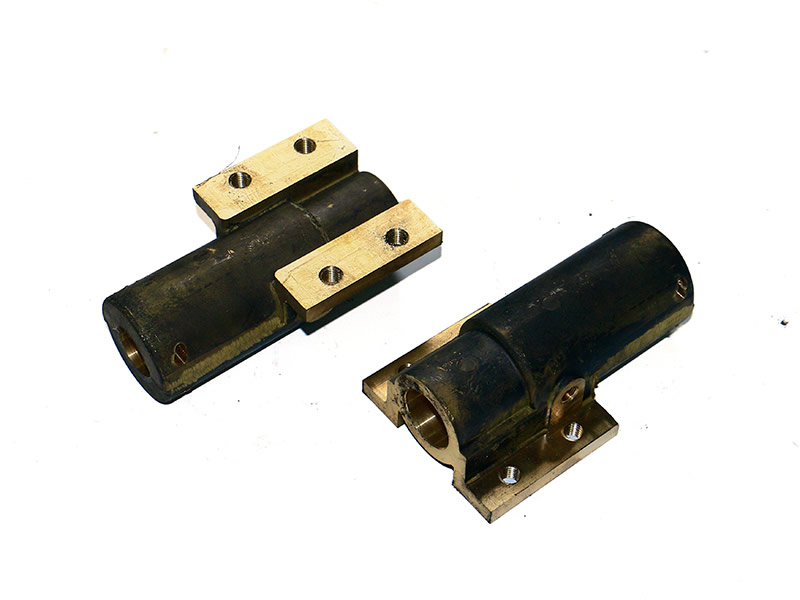
Metal mold casting is suitable for medium to large-scale production of copper castings, which can achieve finer grain structure and better surface quality. Due to the high pouring temperature of copper alloy, the metal mold needs to be preheated to 200 ℃ to 400 ℃ and coated with a refractory coating on the surface of the mold to extend its service life. Metal mold casting is commonly used to manufacture small valve bodies, fittings, and electrical components.
Centrifugal casting is used to produce circular or tubular cast copper parts, such as copper sleeves, bearing shells, and rollers. Centrifugal casting utilizes the centrifugal force generated by rotation to solidify the molten metal adhered to the inner wall of the mold cavity, resulting in a dense external structure and fewer internal defects. This process requires high deoxidation of copper alloys and requires sufficient degassing during the melting process.
In terms of forming points, copper alloy melting requires controlling the purity of the furnace material and the melting atmosphere. Alloys containing easily oxidizable elements such as aluminum and beryllium should be melted in a neutral or weakly oxidizing atmosphere and coated with a covering agent to prevent oxidation. The pouring temperature is generally controlled between 100 ℃ and 150 ℃ above the liquidus line. If it is too high, it may cause shrinkage and coarse grains, while if it is too low, it may result in cold insulation. After solidification, the casting needs to undergo heat treatment according to the alloy type. For example, low-temperature annealing of tin bronze can eliminate internal stress, and solid solution aging of beryllium bronze can improve hardness.
This website uses cookies to ensure you get the best experience on our website.
 +86-18122995333
 1152033033@qq.com
 Whatsapp+86-18122995333

 Deutsch
  Español
  हिन्दी
  Italiano
  日本語
日本語  한국어
한국어  Português
  Русский
  Tiếng Việt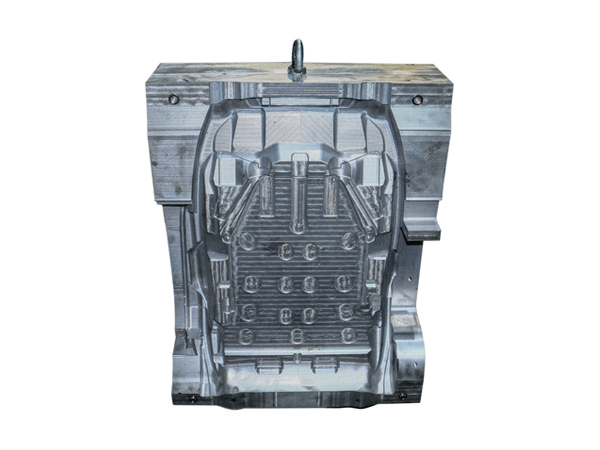



 Whatsapp