
Cast iron parts have multiple grades according to standards, and different grades correspond to different mechanical properties and application directions. Taking gray cast iron and ductile iron as examples for explanation.
The gray cast iron grade starts with "HT" and is followed by the tensile strength value (in megapascals). The tensile strength of HT150 is not less than 150 megapascals and is suitable for light load components such as general low-pressure valves, handwheels, and cover plates. The tensile strength of HT200 is not less than 200 megapascals, and it is commonly used in machine tool bases, workbenches, and medium load gearboxes. HT250 and above grades (such as HT300, HT350) have high strength and density, and are suitable for components such as engine cylinder blocks, hydraulic pump housings, and heavy-duty machine tool guides that withstand high pressure.
The ductile iron grade starts with "QT" and is followed by tensile strength and elongation values. The tensile strength of QT400-18 is not less than 400 megapascals, and the elongation is not less than 18%. It is suitable for components such as wheel hubs, differential housings, and agricultural frames that require good toughness. QT500-7 has moderate strength and toughness, and is commonly used in automotive chassis components, valves, gears, etc. QT600-3 and QT700-2 have high strength and hardness, suitable for high-strength components such as crankshafts, connecting rods, camshafts, etc., but have low elongation.
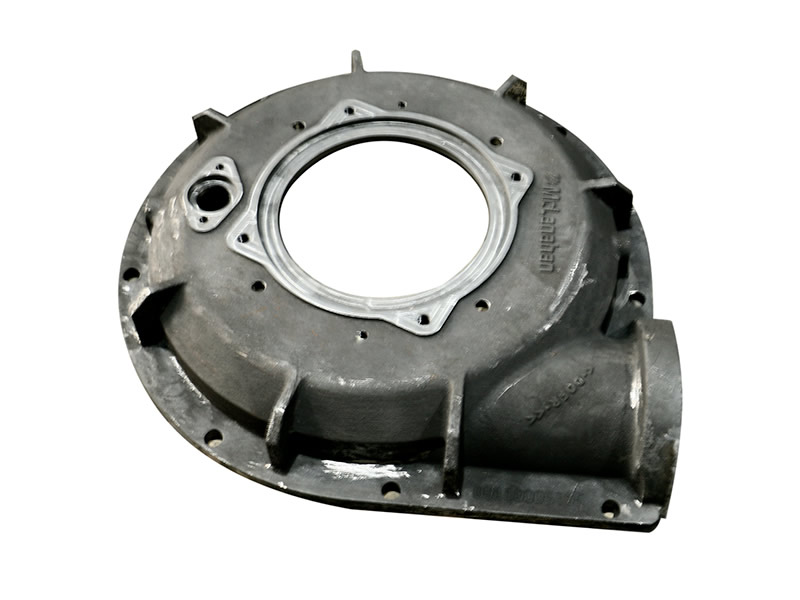
The grade of malleable cast iron starts with "KTH" or "KTZ", corresponding to black core malleable cast iron and pearlite malleable cast iron, respectively. KTH350-10 is used for components such as pipe fittings and line fittings that require a certain degree of plasticity, while KTZ550-04 is used for thin-walled components with high strength requirements. Creep graphite cast iron grades starting with "RuT" are used for components such as diesel engine cylinder heads and exhaust pipes that are subjected to thermal fatigue.
Understanding the application directions of different grades can help make reasonable judgments in design and material selection, avoiding situations where material properties do not match usage requirements.
This website uses cookies to ensure you get the best experience on our website.
 +86-18122995333
 1152033033@qq.com
 Whatsapp+86-18122995333

 Deutsch
  Español
  हिन्दी
  Italiano
  日本語
日本語  한국어
한국어  Português
  Русский
  Tiếng Việt



 Whatsapp