
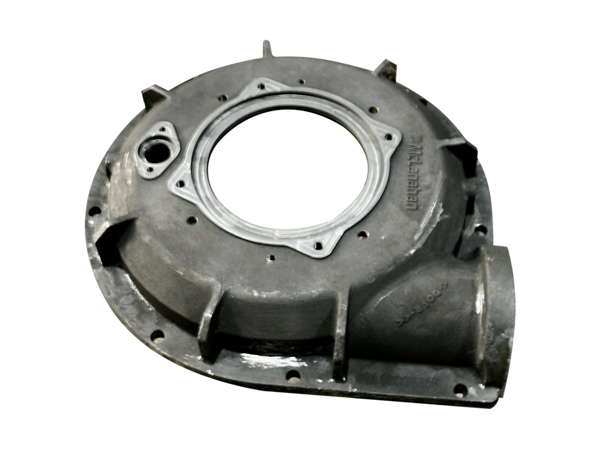
Cast iron parts are components formed through casting processes using iron carbon alloys as raw materials. The material characteristics of cast iron parts are mainly reflected in their high carbon content (usually 2.0% to 4.0%), and carbon mainly exists in the form of graphite. According to the different forms of graphite and matrix structures, cast iron can be divided into types such as gray cast iron, ductile iron, malleable iron, and creep cast iron.
The graphite in gray cast iron is distributed in flakes, with good shock absorption and machinability, and high compressive strength, but relatively low tensile strength. The graphite in ductile iron is distributed in a spherical shape and has a relatively small cutting effect on the matrix, therefore it has high tensile strength and elongation. Forged cast iron is obtained by graphitizing and annealing white cast iron, with graphite in a flocculent state and better toughness than gray cast iron. The graphite morphology of vermicular cast iron is between flake and spherical, and it has good thermal fatigue performance.
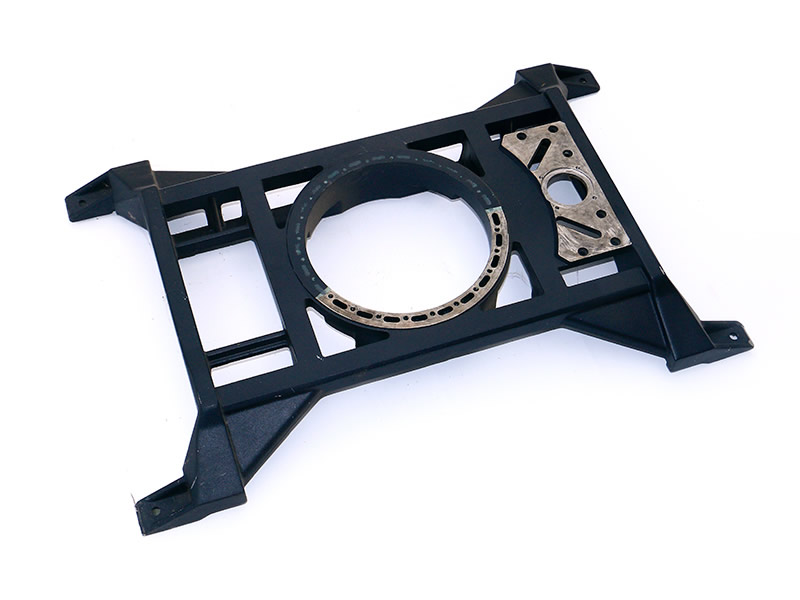
In terms of process types, cast iron parts can be cast using various methods such as sand casting, metal mold casting, investment casting, and lost foam casting. Among them, sand casting is the most widely used process, suitable for the production of single piece small batch and large castings. Metal mold casting is used for producing small-sized castings in medium to large quantities, which can obtain finer grain structures. Lost foam casting is suitable for castings with complex shapes and moderate batch sizes, which can reduce the use of sand cores.
The combination of different material characteristics and process types enables cast iron parts to meet a variety of needs, from general mechanical parts to structural components that can withstand complex loads. The rationality of material and process selection directly affects the quality, cost, and production cycle of cast iron parts.
This website uses cookies to ensure you get the best experience on our website.
 +86-18122995333
 1152033033@qq.com
 Whatsapp+86-18122995333

 Deutsch
  Español
  हिन्दी
  Italiano
  日本語
日本語  한국어
한국어  Português
  Русский
  Tiếng Việt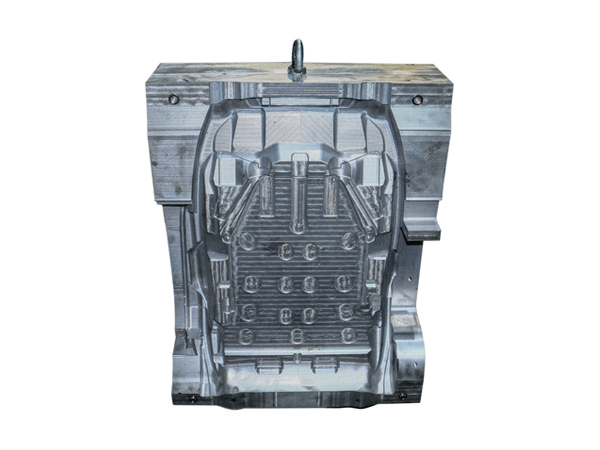



 Whatsapp