
Ductile iron castings have formed typical application scenarios in multiple industries due to their balance between strength, toughness, and process economy. In the field of municipal pipelines, ductile iron pipes and fittings are commonly used components in water and gas transmission systems. This type of application mainly utilizes the corrosion resistance and certain resistance to internal and external pressure of materials, while the pipeline interface design utilizes the elongation of ductile iron to achieve sealing and flexible connection.
In the field of transportation, ductile iron castings are used for multiple components of automotive chassis systems, braking systems, and suspension systems. For example, brake caliper body, bracket, steering knuckle, leaf spring seat, etc. These components require a certain degree of impact resistance while withstanding alternating loads, and the fatigue strength of ductile iron can meet the above working conditions.
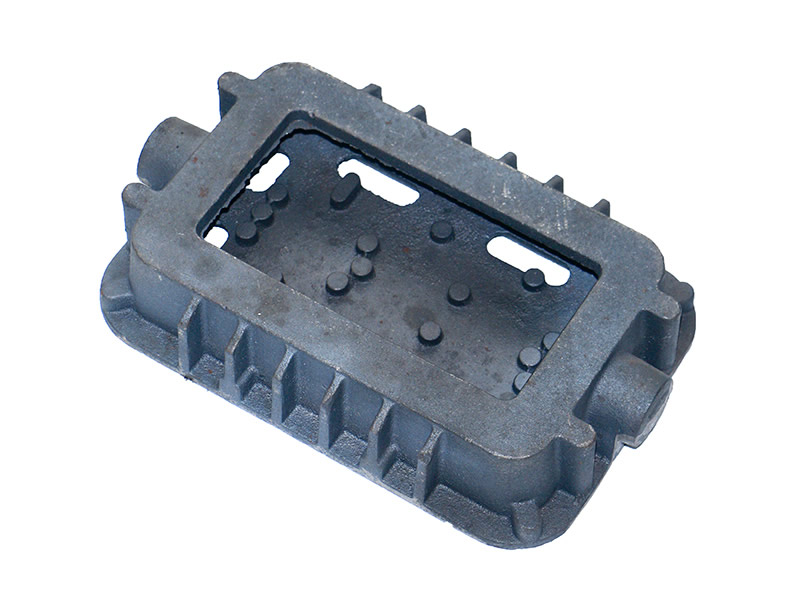
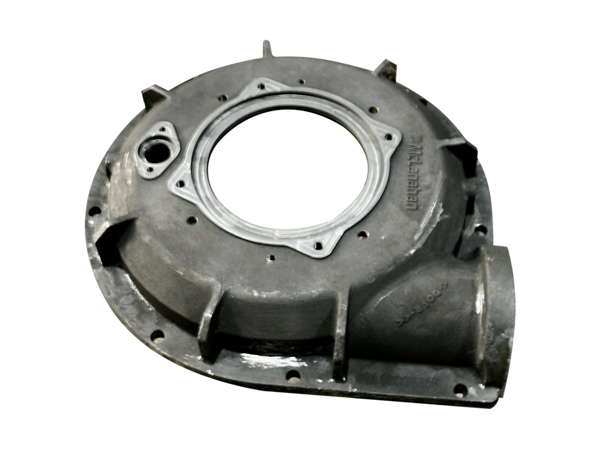
Agricultural machinery and engineering machinery are also important application directions for ductile iron castings. Tractor rear axle housing, differential housing, transmission case and other components are often made of ductile iron. These components have relatively complex shapes and need to withstand multi-directional loads simultaneously. Ductile iron castings can integrate multiple mounting surfaces and reinforcement structures through casting, reducing welding or bolt connection links.
In addition, the application of ductile iron castings can also be seen in general mechanical parts such as wheel hubs, spindle seats, hydraulic valve bodies, compressor crankshafts, etc. in wind power generation equipment. Overall, ductile iron castings are a viable option for components that require both structural strength and a certain level of toughness, and are suitable for forming through casting processes.
This website uses cookies to ensure you get the best experience on our website.
 +86-18122995333
 1152033033@qq.com
 Whatsapp+86-18122995333

 Deutsch
  Español
  हिन्दी
  Italiano
  日本語
日本語  한국어
한국어  Português
  Русский
  Tiếng Việt



 Whatsapp