
The lightweight characteristics of cast aluminum parts mainly come from the low density of the aluminum alloy material itself. The density of pure aluminum is about 2.70 g/cm ³, which is about one-third of that of steel materials. Through alloying treatment and casting process, cast aluminum parts can achieve certain mechanical properties while maintaining low weight, meeting the weight reduction needs of various industrial components.
In the field of transportation, reducing component weight helps to decrease energy consumption. For example, aluminum castings on automobiles include engine cylinder blocks, cylinder heads, intake pipes, wheel hubs, gearbox housings, etc. Using cast aluminum parts instead of cast iron parts can reduce the weight of individual components by about 40% to 60%. In rail transit vehicles, cast aluminum parts are used to manufacture non load bearing or secondary load bearing components such as seat frames, luggage racks, and electrical cabinet shells.
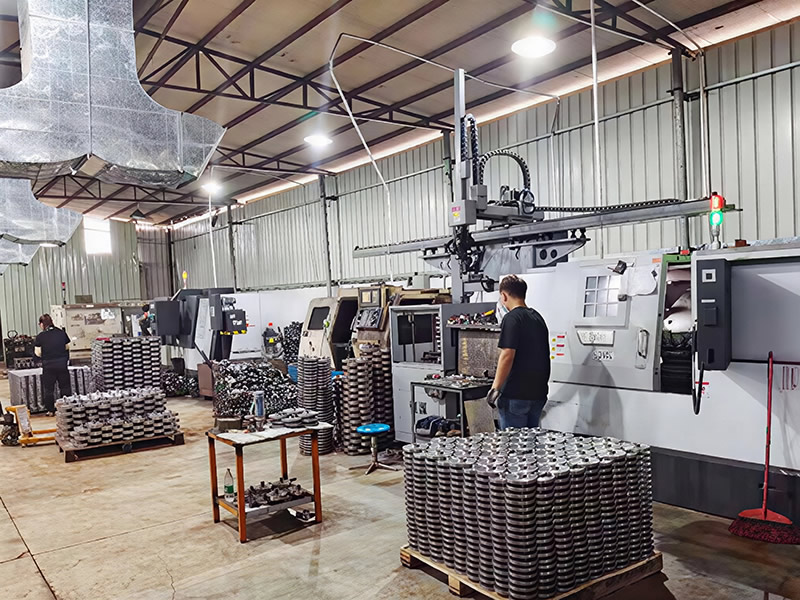
In the field of general machinery, the lightweight characteristics of cast aluminum parts facilitate the handling and installation of equipment. For example, the use of cast aluminum parts for small gasoline engine bodies, water pump housings, electric tool housings, etc. can reduce the overall weight of the machine while meeting strength requirements. In addition, the lightweight feature also helps to reduce the inertia force of moving parts. For components that require frequent start stop or high-speed operation, such as certain transmission parts in textile machinery, cast aluminum parts can reduce power loss.
It should be noted that the applicable scenarios for cast aluminum parts require comprehensive consideration of load conditions and environmental requirements. For components that can withstand high impact or heavy loads, it is necessary to evaluate whether their strength is sufficient; For high temperature or highly corrosive environments, suitable aluminum alloy grades or surface treatments should be selected.
This website uses cookies to ensure you get the best experience on our website.
 +86-18122995333
 1152033033@qq.com
 Whatsapp+86-18122995333

 Deutsch
  Español
  हिन्दी
  Italiano
  日本語
日本語  한국어
한국어  Português
  Русский
  Tiếng Việt



 Whatsapp